
“Caring Histories: Asian Caregivers in Berlin – Migration, Memory, and Social Change (1950–present)”
“We are born and exist in a place of memory. [...] We know ourselves through art and the act of remembering. Memories offer us a world where there is no death, where we are sustained by rituals of respect and remembrance.”
― bell hooks, Belonging: A Culture of Place
This interdisciplinary project focuses on the experiences and life stories of Asian caregivers—particularly those from Korea, Vietnam, the Philippines and Southern India—who came to Berlin from the 1950s onwards, their contributions to the German healthcare system, and how they have helped shape the city’s collective memory.
Berlin is more than just a geographical setting for this project: over decades, the metropolis became a “second home” for generations of Asian caregivers whose stories are exemplary of Germany’s history of migration. These women* saved lives and helped shape German society; many of them became naturalized and started families, yet their stories remain largely unknown outside of their own circles and communities. Very few of these narratives are preserved in institutional archives, and even fewer are accessible to the public.
Through immersive, participatory, and collaborative events such as an evolving exhibition, artistic activations and interventions, workshops, community events & discussions, film screenings, zine & podcast/sound piece documentation, and online website, the project “Caring Histories” aims to reflect on how the voices of Asian caregivers – and more broadly speaking, acts of caring and care-giving, – form part of a larger diasporic culture of memory that can give us clues as to how we can move away from a “Western” model of diagnosis and therapy toward a model of alternative community, solidarity, and care.
Overall, the project aims to strengthen cultures of remembrance as they are anchored in migrant histories and post-migrant present day realities. The project also centers redress, emotional repair and transitional justice for Asian careworkers and their descendants. The desired outcome is to provide a space of encounter, sharing and reflection that brings together transdisciplinary approaches, so that the dialogue already taking place at the civil society level can continue in a process-oriented manner through artistic research, reflection and exchanges in Mental Health Arts Space and online.
Project Lead

Kathy-Ann Tan is a Berlin-based independent curator, writer and researcher from Singapore. She/They is interested in alternative and sustainable forms of art dissemination, cultural production and institution-building committed to issues of transformational justice. Kathy-Ann’s practice revolves around creating spaces for community, exchange, conversation, connection and empowerment in Berlin and beyond. As a former full-time academic, she/they has extensive experience in teaching, research, publishing, facilitating workshops and public speaking.
Kathy-Ann Tan is the Founder and Artistic Director of Mental Health Arts Space (MHAS).
Project Assistant
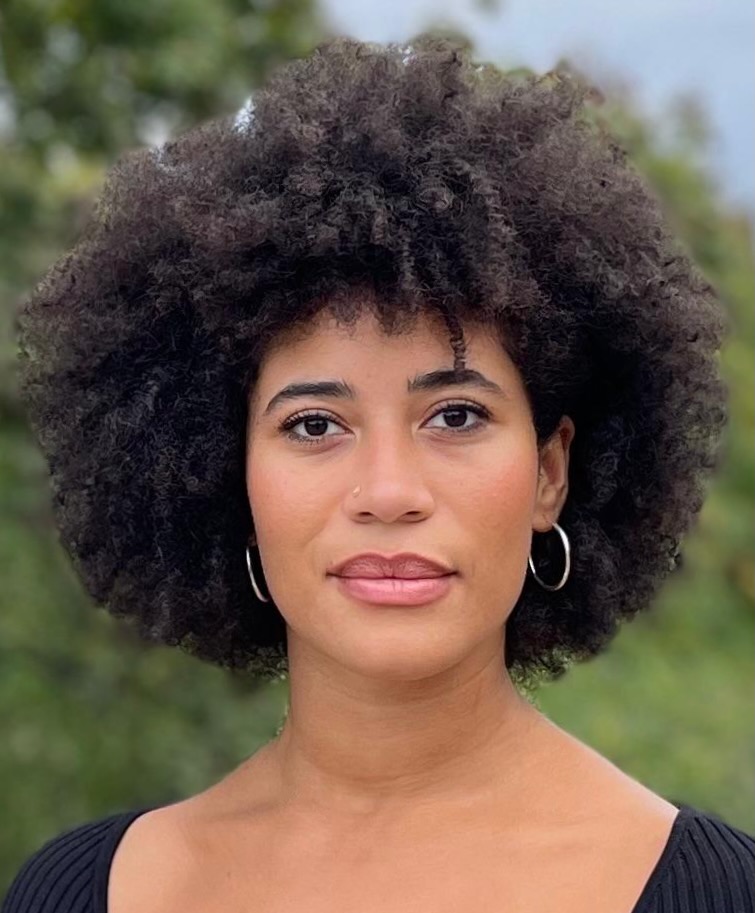
Paloma Nana is a cultural producer, independent researcher, curator and musician working across Berlin, North-Rhine-Westphalia, and beyond. Her practice explores the intersections of sub- and popular culture(s), politics and social justice, fostering spaces for experimentation, dialogue, community engagement, and collaboration.
Paloma has been assistant curator at Mental Health Arts Space (MHAS) since January 2026.
Awareness & Accessibility Coordinator
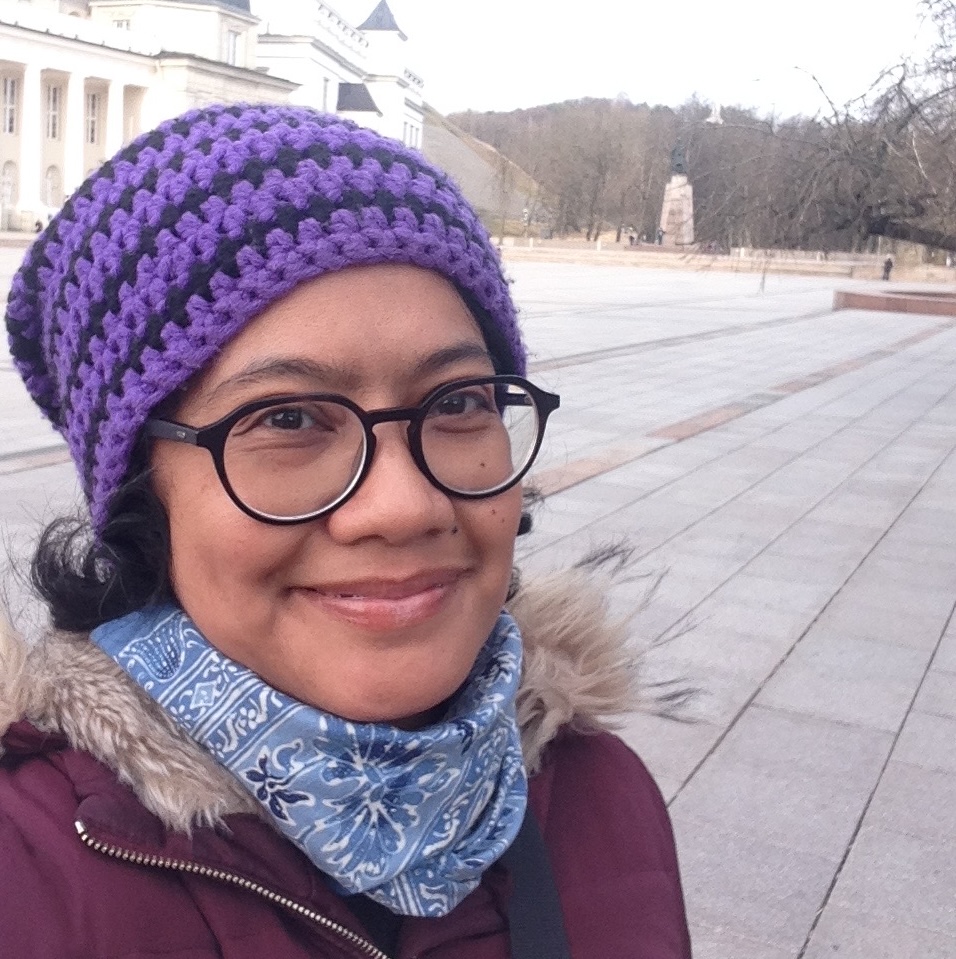
Nelden Djakababa Gericke is a Berlin-based Indonesian-Filipina fiction writer, crafter, and trained-psychologist. Her practice focuses on stories, trauma, coping strategies, intergenerationality, ancestral connections, culture, and mental health.
With extensive experience in trauma-and-community-work in post-conflict and post-disaster situations in Indonesia, Nelden has an M.A. in Culture and Development Studies from the Catholic University of Leuven, and was a research fellow at Harvard Kennedy School.
Nowadays, she designs workshops with elements of (jewelry-)crafting, psychology, and writing, to recreate the communally caring effects of crafting and story-sharing. She contributes to Tempo Magazine Indonesia, and was part of the core editorial team for an edition of the online magazine Südostasien on “Koloniale Kontinuitäten.” Nelden is a recipient of the Literature Stipend for Writers Writing in Non-German Languages (2025), awarded by the Berliner Senatsverwaltung für Kultur und Gesellschaftlichen Zusammenhalt.
Artists & Researchers
“Nursing the Empire”
(Lizza May David with Donna Miranda & Angelo V. Suarez)
Lizza May David‘s multidisciplinary practice anchors in painting which she connects with artistic research, collaborations and other formats. She is interested in gaps and silences in personal and institutional archives. Previous video works dealt with issues on labour migration, memory, and language.
Donna Miranda is a choreographer living and working in the Philippines. Miranda relocates choreography from the site of the individual body to that of collective political actions. She makes a living as a development worker in public health. She also does volunteer work for the Federation of Agricultural Workers in the Philippines (UMA).
Angelo V. Suarez is a poet who explores conceptualism and performance in his art practice. His last book was Philippine English: A novel published as a downloadable PDF in 2015. He volunteers for Unyon ng mga Manggagawa sa Agrikultura (UMA, Federation of Agricultural Workers) and makes his living as an advertising copywriter.
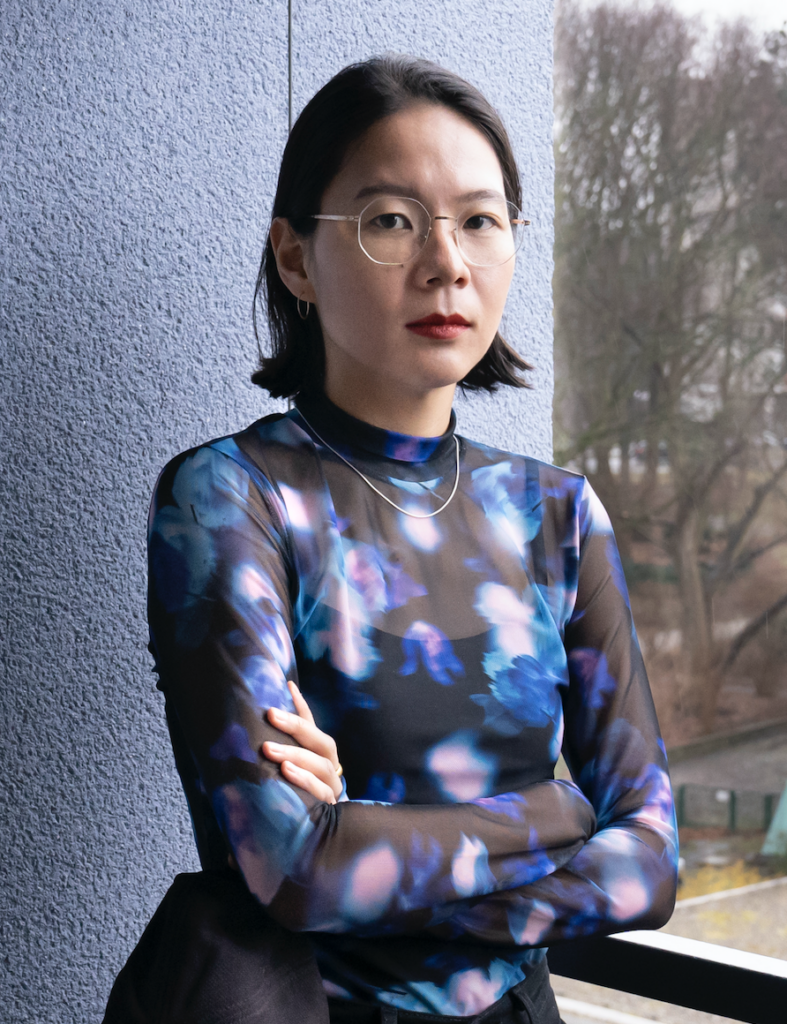
Fumiko Kikuchi studied fine arts at Nihon University in Tokyo and Braunschweig University of Art. Observing and listening, personal conversations and on-site research are fundamental to her video works. She pursues questions about which political, economic and cultural conditions shape a city and how these directly or indirectly affect the place and the people. Her work addresses the use of language, various forms of storytelling and the identity-forming moment of memories.
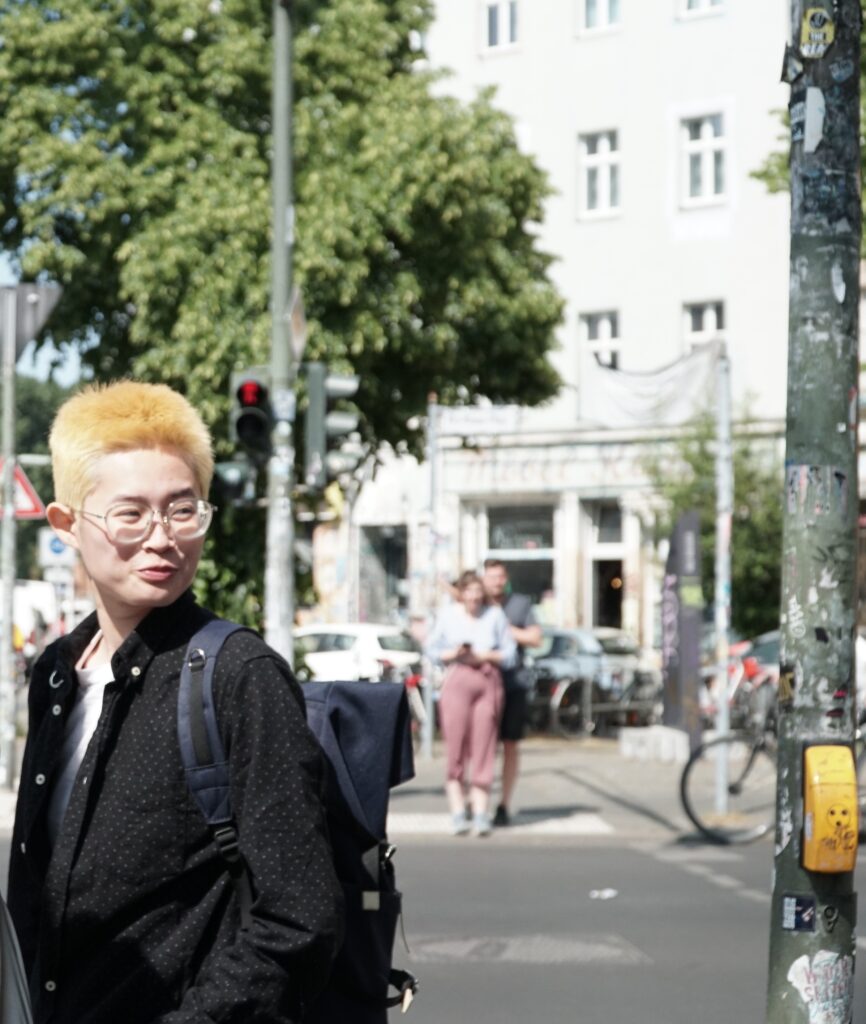
Lưu Bích Ngọc (she/her) is a Berlin-based cultural worker, focusing on accessibility and empowerment in the arts with transdisciplinary – intersectional approaches. Moving between archival, community and curation work, her practice explores queerness, Vietnamese diasporic experiences and cultural memory.
Her zine nhớ nhớ quên quên (2025) studies the practices of mourning and remembrance of marginalized communities in Central Vietnam and Berlin. She curated film festivals Dear Vietnam (2024), Vietnam 50! (2025), and co-coordinated workshops with Schwules Museum (Berlin), No Cai Bum festival (Vietnam), and Linden Museum (Stuttgart). Her writings and translations are published in Camera Austria, Artifact Journal, Art Nation Vietnam, and ‘Re-Connect. Art and Conflict in Brotherland‘ catalogue.
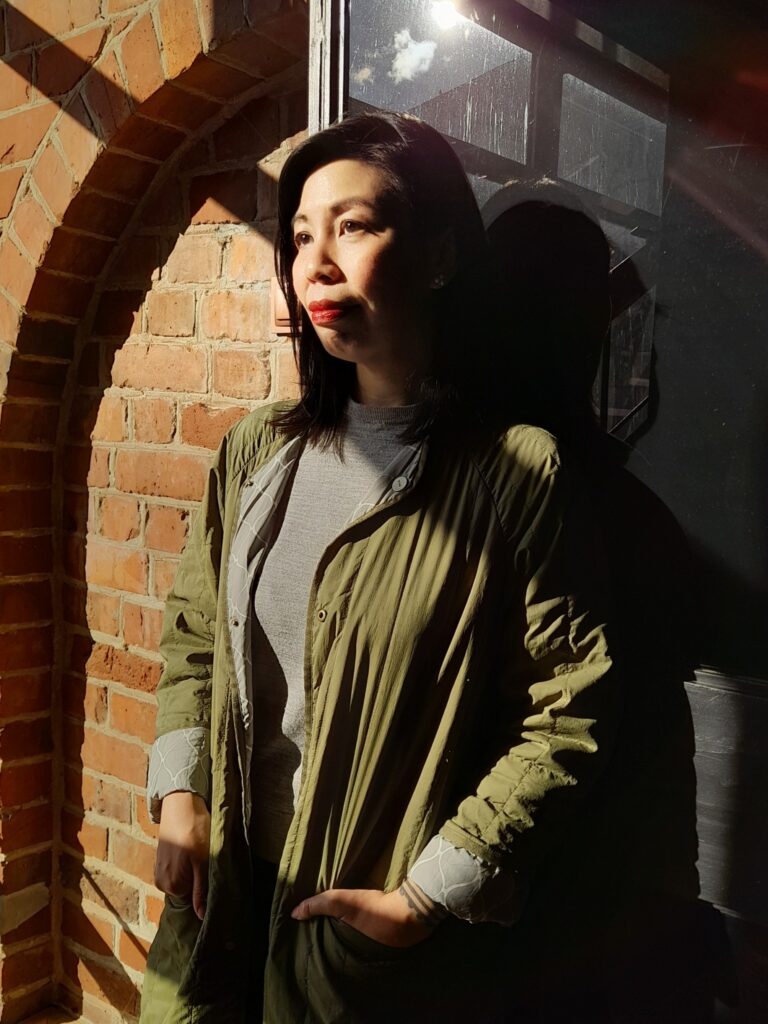
Based in Kraków and Manila, Anjeline de Dios is a singer and scholar. Her practice of sound performance and critical research explores the transcultural geographies of the voice in relation to labor, art, care, and healing. Her work has been featured in Künstler*innenhaus Mousounturm (Frankfurt), Baltic Gallery of Contemporary Art (Słupsk, Poland), Universität für Musik und darstellende Kunst (Vienna), the ArtsEverywhere Festival (Guelph, Canada), SAVVY Contemporary and Ballhaus Naunynstrasse (Berlin), Lingnan University (Hong Kong), Vogue Philippines, and the Philippine Pavilion at the 60th edition of the Venice Biennale, among others. Anjeline obtained BA and MA degrees in Philosophy from the Ateneo de Manila University and Linköping University, and a PhD in geography from the National University of Singapore. She is co-editor of The Elgar Handbook on the Geographies of Creativity (Edward Elgar, 2020), and the author of Living Song, Living Labor, an ethnography of
migrant Filipino musicians.

Rabiga Marx is a curator and researcher working at the intersection of memory, trauma, and cultural practices in post-Soviet and postcolonial contexts. With a background in visual culture and roots in Kazakhstan and Kyrgyzstan, she explores how memory is preserved or fragmented across generations, particularly under regimes that have disrupted cultural continuity. She works through a decolonial lens, questioning the lasting cultural and intellectual frameworks inherited from empire.
Her curatorial practice focuses on embodied memory, ritual, and alternative forms of archiving. Through exhibitions, interviews, and collaborative research, she investigates how histories are carried through bodies, gestures, domestic spaces, and oral storytelling. She is particularly attentive to the nuances of sisterhood and communal experiences, examining how solidarity, care, and shared vulnerability shape collective memory and cultural resilience.
Marx approaches curation as a practice of care and dialogue, creating spaces where overlooked, silenced, or marginalized narratives can surface, resonate, and be
reimagined.

Thùy Trang Nguyễn is a Berlin based filmmaker. They work across fiction and documentary forms, with a focus on migration, queerness, and generational memory. Their films engage with questions of visibility and cultural continuity, often rooted in Vietnamese diasporic life. Their practice values restraint, attention, and character as tools to approach complex social realities.
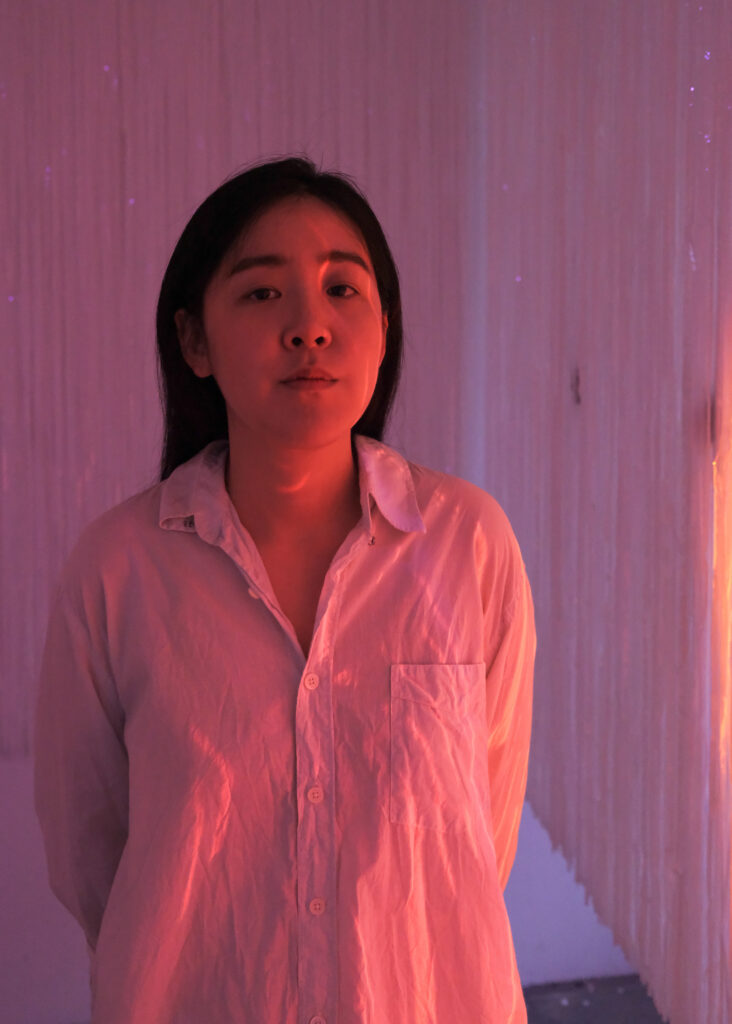
Jane Hwang is a multimedia artist based in Berlin. She explores the silences embedded in both institutional archives and personal memory, reclaiming absence as a framework for shaping collective narratives. Through research-based practice, she traces fractured memories and examines how memory artifacts are internalized in bodily and sensory experience. Her work engages oral history, ritual, and historical documentation, articulating their resonance through film, text, and audiovisual installation.
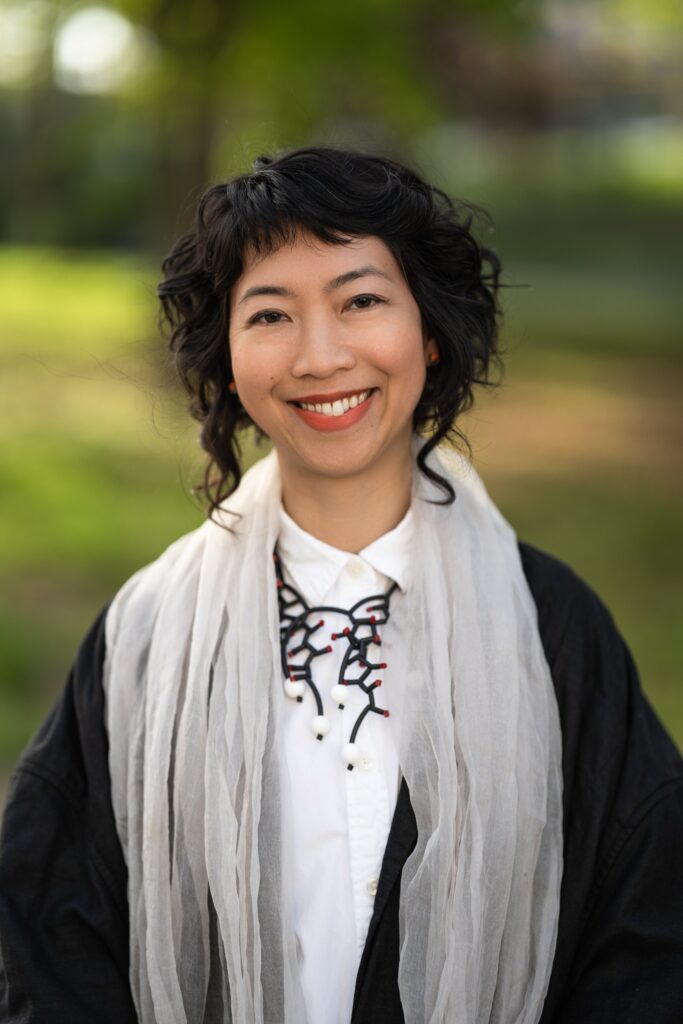
Emily Basa Besa is a facilitator of social practices, a meditation and mindfulness teacher, and a creative consultant working at the intersection of art, care, and collective meaning-making. Her practice centers on creating spaces where individuals and groups can feel at home in themselves through embodied presence, storytelling, shared ritual, and therapeutic processes practiced collectively. She works across retreats, workshops, ceremonies, and socially engaged art contexts, drawing on mindfulness-based, trauma-sensitive, and somatic approaches.
Through ritual, reflection, somatic practices, and shared meals, she creates participatory formats that support collective presence and dialogue. Using her Filipino heritage and diasporic experience as the framework, she engages questions of lineage, exchange, hybridity,
movement, and continuity, inviting participants to reflect on their own personal and cultural lineages/narratives. Her work is grounded in relationship with the natural world, encouraging attunement to inner experience alongside landscape, seasonality, weather, celestial bodies, cycles of nature, and our more-than-human relations.
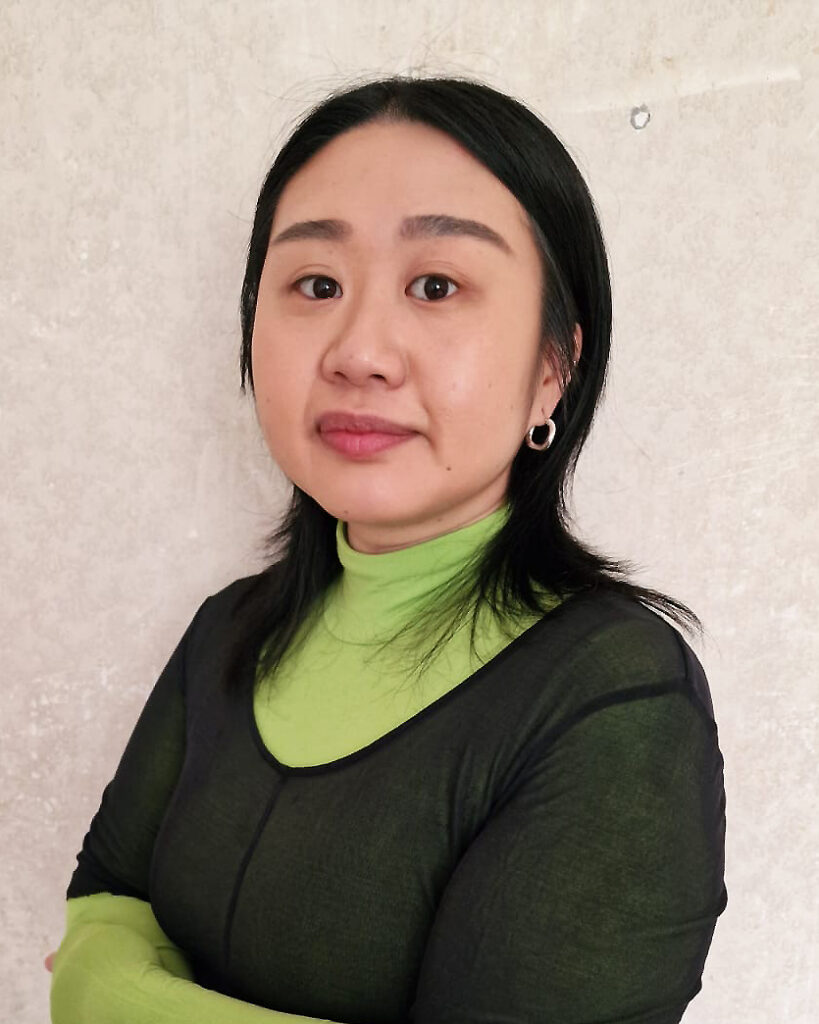
Meikey To (they/them) is a freelance illustrator, comic artist, and political educator based in Hamburg. Since 2017, Meikey has created spaces for collective storytelling and solidary knowledge exchange through comics, zines, exhibitions, and workshops, using analog and digital media as political tools. Their practice focuses on postcolonial memory, diasporic experiences, and intersections of
race, gender, and the body.
Meikey‘s work includes illustrations for Carlsen Verlag and Goethe-Institut Beijing. A comic essay on food, diaspora, and cultural appropriation appeared in the Italian magazine Internazionale. In 2025, Meikey presented a comic exhibition on race, body, and gender at Mikropol RBO and a group exhibition at Frappant, for which they developed a digital-to-analog first-aid zine generator against state surveillance and police violence.
Meikey is currently completing their studies in Illustration at HAW Hamburg, focusing on anti-discriminatory visual language and graphic storytelling. Their current project is a comic tracing migration, ruptures, Hakka heritage, and the deconstruction of time as a postcolonial narrative strategy.
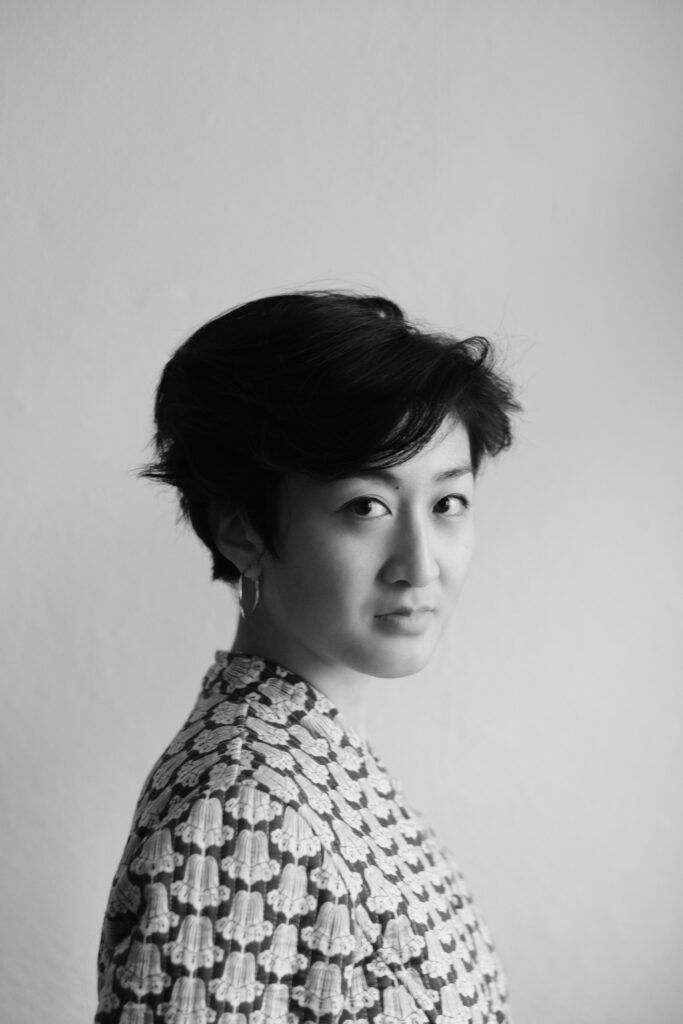
hany tea is an interdisciplinary artist, sonic practitioner, and researcher working at the intersections of diaspora, memory, and care through sound, oral history, and storytelling. Their practice centres collective listening and transgenerational dialogue as ways of engaging with lived experience, migration histories, and forms of social and emotional labour.
In 2025, Hany curated Listening to the Past – Hearing the Present at Haus der Kulturen der Welt (HKW), a project that brought together former contract workers from Cuba,
Mozambique, and Vietnam and their children through workshops, shared listening, storytelling, and musical practice, positioning music as a medium of remembrance and intergenerational exchange.
From March to June 2025, Hany presented an audio installation at Dump Gallery in Almaty, Kazakhstan as part of Kitchen Conversations, tracing layered soundscapes of
memory, labour, and intimacy through fragments of recordings while cooking with parents. Hany is also a member of the Mutating Kinship Lab (MKL), an artistic think-tank fostering dialogue and collaboration within Asian diaspora artistic communities in Germany.
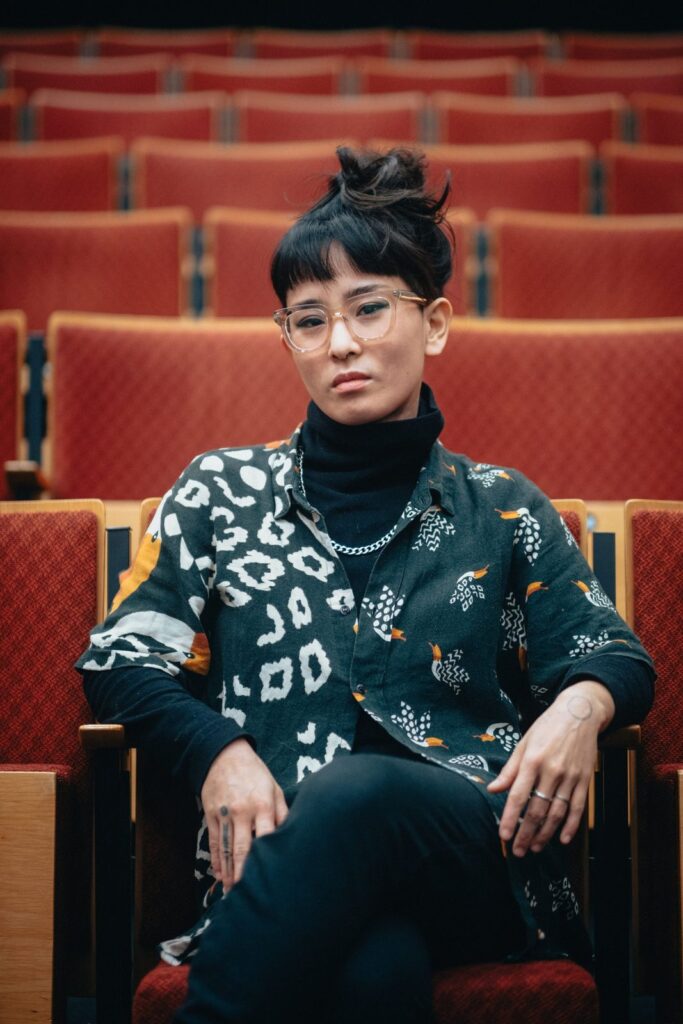
Thaís Omine is a queer Okinawan-Brazilian visual anthropologist and filmmaker from Guarulhos, São Paulo, who lives in Berlin. Her films bring hidden stories and suppressed narratives back into the light and she works at the intersection of critical theory, embodied knowledge, and decolonial/anticolonial practices.
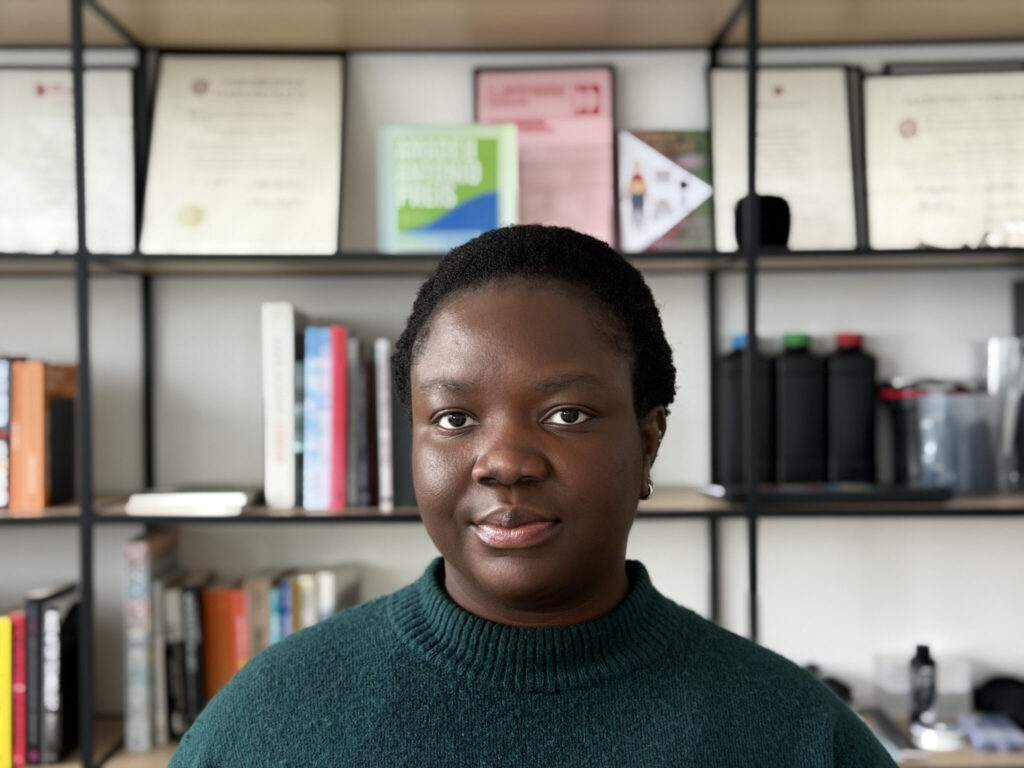
Nnenna Onuoha is a Ghanaian-Nigerian researcher, filmmaker, and visual artist based in Berlin, Germany. Her research explores monumental silences surrounding the histories and afterlives of colonialism across West Africa, Europe and the United States, asking: How do we remember, which pasts do we choose to perform, and why? Her work has shown at the Museum Folkwang, the Museum of Modern Art Shanghai, and the Johannesburg Art Gallery and won awards at the XPOSED Queer Film Festival and the Kurzfilm Festival Hamburg. Nnenna is currently a binational doctoral candidate in Media Anthropology at Harvard University and Global History at the University of Potsdam, and a Research Associate in the Digital Provenance Lab at the Leuphana University Lüneburg.
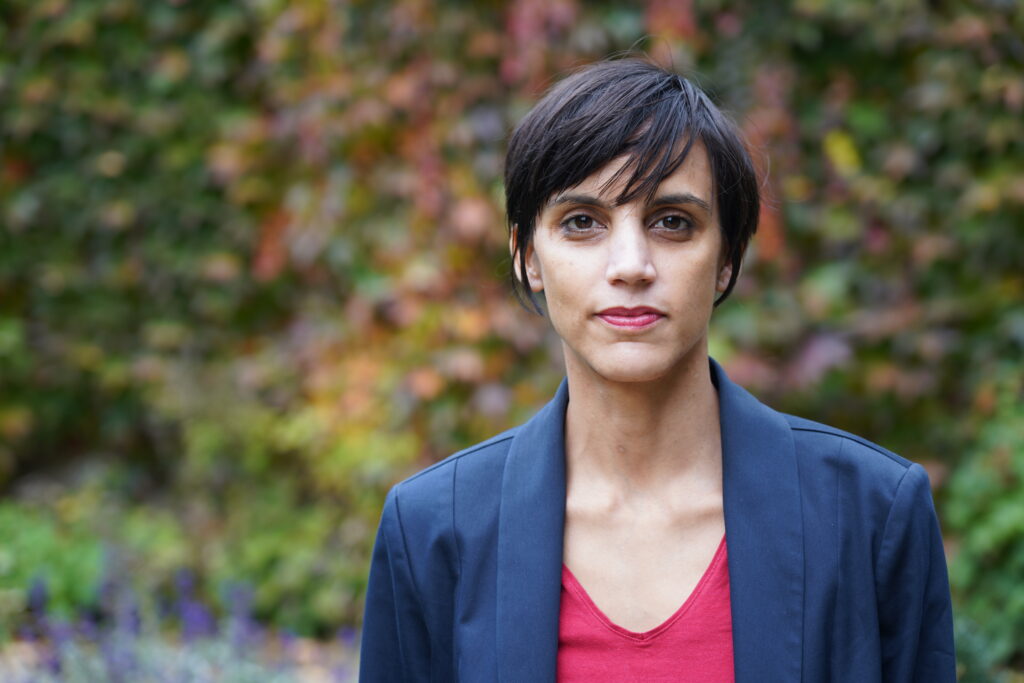
Iris Rajanayagam is a historian who works on cultures of remembrance, post- and decolonial theories, and intersectionality. She is programme officer for diversity, intersectionality and decoloniality at the Federal Agency for Civic Education (bpb). Previously, she was the director of the Berlin-based organisation xart splitta, where, amongst other things, she initiated and co-developed the online platform The Living Archives. Since 2014, she has also been teaching at the Alice Salomon University
of Applied Sciences Berlin (ASH). Between 2017 and 2019, she worked as a research assistant in the research project “Passport Control – Living without Papers in Past and Present” at the ASH and contributed to the development of the website “Verwobene Geschichte*n” (Entangled Hi*Stories).
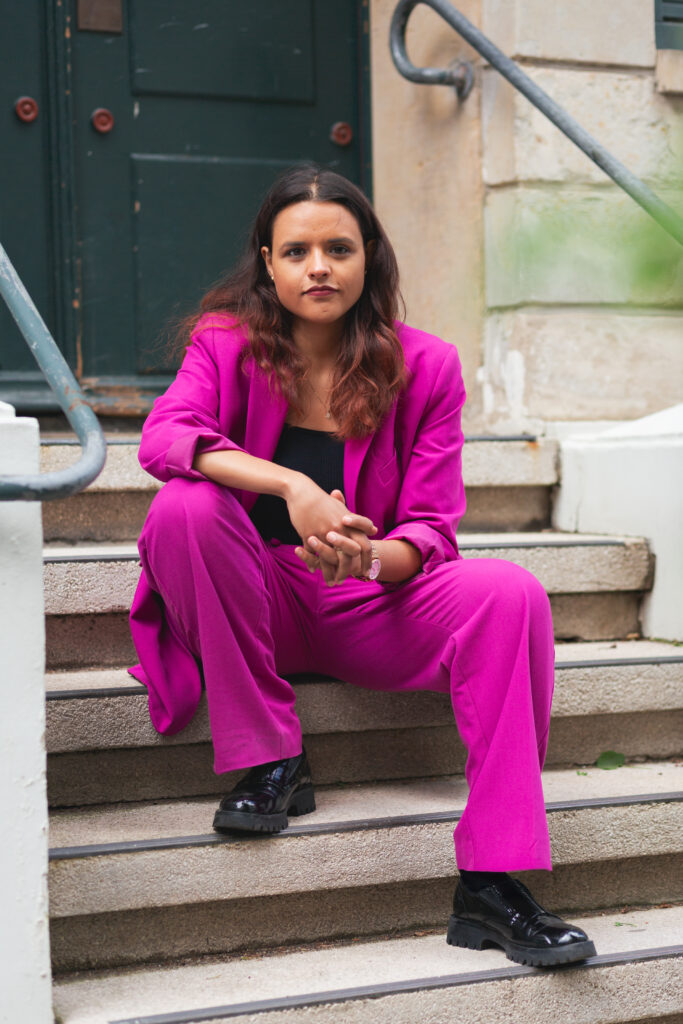
Meryem Choukri, PhD, is a curator at the Altona Museum in Hamburg. Her work is situated at the intersection of memory work, scholarship, and political education. She studied sociology and cultural studies with a focus on postcolonial theory in Lüneburg and London and completed her PhD jointly at the University of Warwick and Justus Liebig University Giessen on resistant archives of feminists of colour in Germany.
She also works as an independent educator, speaker, and moderator, focusing on racism, feminism, diversity, intersectionality, memory cultures, empowerment, and colonialism. Together with Thu Hoài Tran and Miriam Yosef, she co-founded Bündnis Kompliz*innen, where she creates intersectional feminist spaces. In 2023, she co-edited the volume Biting Back: Food, Diaspora, Resistance (Unrast), which explores food from (post)migrant-critical perspectives.
March - December 2026 at Mental Health Arts Space
Opening of first chapter of "Caring Histories":
Saturday, 7 March, 6pm onwards - ALL WELCOME!
Gallery Opening Times:
Thursdays - Saturdays 4pm - 7pm and by appointment
Program of Events:
7 March, 6pm onwards: Opening with artist talks, activation, snacks and light refreshments
21 March, 4pm - 6:30pm: “Sao con chưa về? | Why haven’t you come home yet?”: A Community Gathering Workshop with Lưu Bích Ngọc and Lem TragNguyen
28 March, 7pm - 8:30pm: Film Screening of JACKFRUIT and Q&A/Discussion with Director Thùy Trang Nguyễn
11 April, 2-4pm: Artist Talk with Lizza May David and Fumiko Kikuchi
25 April, 4pm - 6pm: “We Feed Those Who Came Before Us”: Food-as-Care-Ritual Workshop with Rabiga Marx
26 April, 2-4pm: "Interwoven: Weaving Our Stories & Traditions" Workshop with Emily Basa Besa
16 May, 2-4pm: "Anchored: Homing Our Stories & Traditions" Workshop with Emily Basa Besa
6 June, 2-4pm: "Inheritance: Tending to Our Stories & Traditions" Workshop with Emily Basa Besa
3 July, 6-7:30pm: "Corpo-Abrigo (Body-Shelter)" Film program curated by Thaís Omine
4 July, 6:30pm - 8pm: "Onde Eu Coloco O Meu Corpo Agora? (Where do I place my body now?)" Workshop with Thaís Omine
19 July, 7pm - 8:30pm: "Rituals of Care" Film screening and Q&A/Discussion with Nnenna Onuoha
24 July, 6pm: Opening of next chapter of "Caring Histories", with commissioned works by Jane Hwang, Meikey To and Hany Tea
8 August, 4-6pm: “Memories of the Tongue: Writing on Food that Anchors Us”
– Workshop with Nelden Djakababa Gericke
19 September, 4-6pm: "Care, Ancestral Connections, and Jewelry-Crafting”
– Workshop with Nelden Djakababa Gericke
12 December, 6pm: Finissage/Closing Event: Panel Discussion with Kathy-Ann Tan, Paloma Nana, Iris Rajanayagam and Meryem Choukri. **This event will also be livestreamed to provide greater accessibility**

This beautiful risograph community zine designed and illustrated by Meikey To is a documentation of the “Caring Histories” project based on the conversations and stories shared in the series of three “Interwoven: Weaving Our Stories & Traditions” workshops by Emily Basa Besa in April to June. Meikey interweaves these oral narratives with her own practice as an illustrator, comic artist, political educator and cultural practitioner working at the intersections of collective storytelling and diasporic memory.
Powered By EmbedPress
Print copies of the “In Between Care” risograph community zine are available for 10 Euro. Contact us for more details. All proceeds will be donated to organizations working at the intersection of care, community and the arts in Berlin. 🙂
Care: Holding, Carrying, Tending, Letting Go
A four-part sonic essay, 2026
hany tea
Note
This listening essay moves between multiple languages without direct translation. Rather than offering complete accessibility through language alone, it embraces multilingual listening as part of the work itself. The layering of voices reflects diasporic experience, where understanding is not always literal, and meaning often resides in rhythm, tone, silence, and the language that carries memory most intimately.
Featuring:
• a poem from SPITzine by RJ Ledesma, read by Analie
• Qing Ming (Tomb Sweeping Day) by Du Mu, read by Sophia Liu
• Edible Mourning, Elastic Time: What the Hands Remember, written and read by
Sophia Liu
•Poem „Fürsorge“, written and read by Thi Minh Huyen Nguyen
Content note: discussions of death, illness, racism, and state violence.
Care: Holding, Carrying, Tending, Letting Go is a four-part listening essay that explores care as something lived, inherited, practised, and remembered. Moving through personal stories, poems, reflections, and conversations, it traces care across family, community, migration, work, illness, and grief.
Like a cycle, the four chapters unfold through voices recorded during the Caring Histories workshops facilitated by Emily Basa Besa in May and June 2026, alongside conversations with people engaged in different forms of care: community care, family care, healthcare, childcare, domestic labour, and migrant care work. Together, these voices reveal care as both visible and invisible labour – paid and unpaid, intimate and collective, joyful and exhausting.
With kind contributions and support from:
Analie · Cody · Dea Karina · Dirandra Sandyakala · Dì Hường · Emily Basa Besa · Erilee · Hong Anh Pham · Hyun Wanner · Innah Gaspar · Irene Trejo · Jasmine Grace Corpuz Wenzel · Jummy · Max Müller · Meikey To · Nelden · Ok-Sun · Rabiga Marx · RJ Ledesma · Rully Shabara · Sophia Liu · Thi Minh Huyen Nguyen · Uyên-Minh · Yusnier
Further Reading
Selected Bibliography

